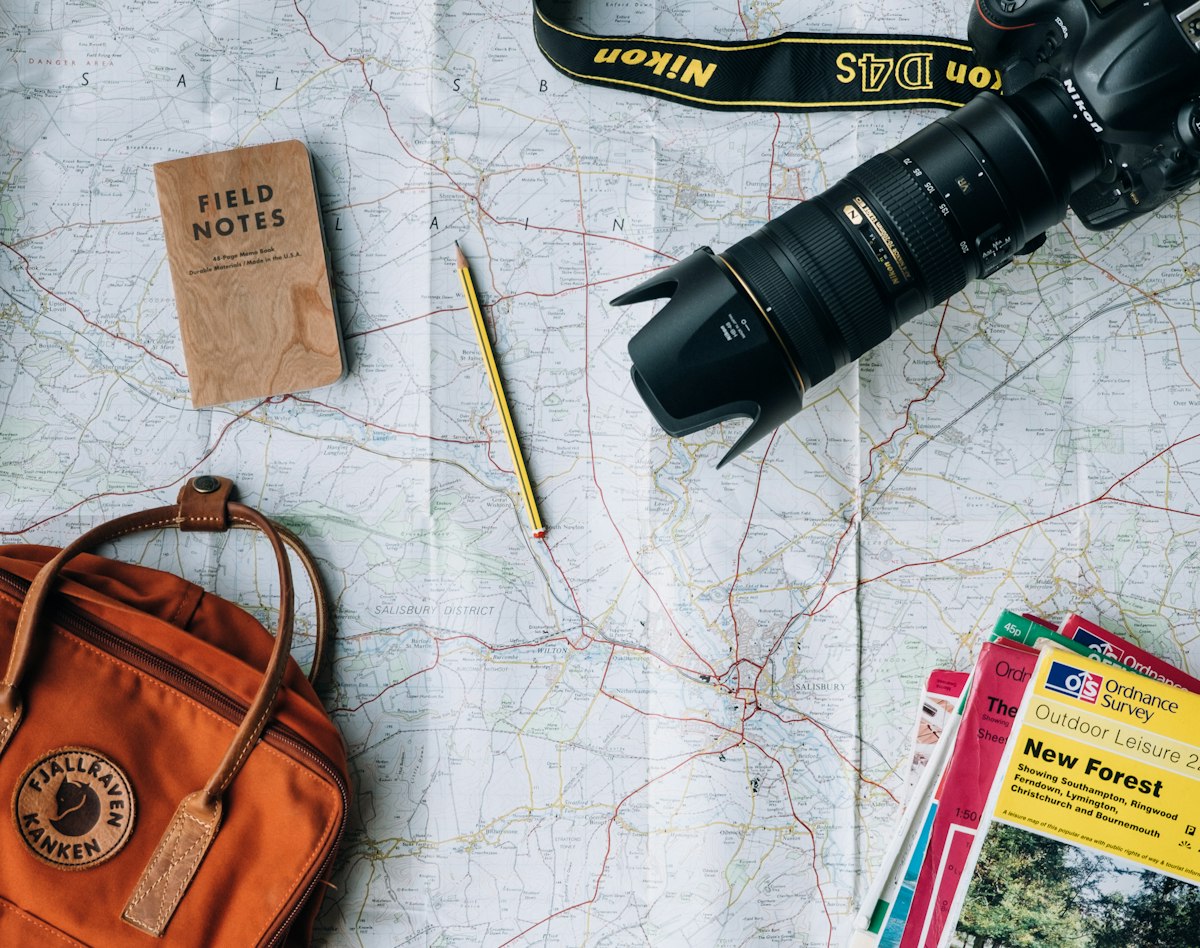
I've been living as a digital nomad for four years. I've worked from beach cafes in Portugal, co-working spaces in Bangkok, my laptop in a Japanese ryokan, and once from a ferry crossing the Adriatic with spotty WiFi and a prayer. It's not always glamorous—but it's almost always interesting.
The appeal is obvious: why be stuck in one place when your work can happen anywhere? The reality is more nuanced. Digital nomad life requires solving problems that office workers never face: visas, time zones, unreliable WiFi, loneliness, tax complications, and the eternal question of where to find good coffee while answering emails.
This guide covers everything I wish someone had explained to me before I sold my furniture and bought a one-way ticket to Lisbon.
Is Digital Nomad Life Right for You?
Let's be honest: the digital nomad lifestyle isn't for everyone, and romanticizing it leads to disappointment. Consider whether this actually matches how you work best.
It works well if:
- You're self-motivated and can work without external accountability
- You thrive in variety and new environments
- You can tolerate uncertainty and occasional discomfort
- Your work doesn't require real-time collaboration with a specific time zone
- You enjoy (or can learn to enjoy) spending significant time alone
- You're disciplined about routines and boundaries
It may not work if:
- You need stability and familiar routines
- Your work requires attending many real-time meetings
- You have dependents who need consistent schooling
- You're prone to loneliness and need a consistent community
- You have health conditions requiring regular access to specific providers
The Practical Foundation: Work and Money
Before You Leave: Job or Business Stability
Most people who try to become digital nomads while job hunting or starting a business fail. The logistical challenges of nomad life plus the uncertainty of finding work don't mix. Instead:
- Establish your remote work income first
- Build client relationships that can sustain long-term remote work
- Get comfortable with async communication (since you won't be in the same time zone as your team)
- Test working from coffee shops and other distracting environments before committing to full-time travel
Financial Infrastructure
You'll need banking and financial tools that work across borders:
- Multi-currency bank accounts: Wise (formerly TransferWise) and Revolut let you hold and exchange multiple currencies with low fees
- No foreign transaction fee credit cards: The Charles Schwab debit card and various travel credit cards refund ATM fees worldwide
- Backup payment methods: Carry a secondary card in case your primary is lost, stolen, or flagged for fraud
- Accessible savings: Keep several months of expenses accessible in an online savings account
Visa Realities: The Complicated Part
Here's the part that nobody tells you: most countries weren't designed for location-independent workers who plan to stay indefinitely. Tourist visas typically allow 30-90 days. Working remotely on a tourist visa exists in a legal gray area that most countries tolerate but don't explicitly authorize.
Options for Longer Stays
- Digital Nomad Visas: An increasing number of countries now offer specific visas for remote workers. Portugal's D8 visa, Croatia's digital nomad visa, Thailand's Long-Term Resident visa, and similar programs in Estonia, Spain, Germany, and others provide legal pathways to extended stays. Requirements vary but typically include proof of income, health insurance, and clean record.
- Visa runs: Some nomads leave and re-enter a country to reset their tourist visa. This is increasingly scrutinized and may not work for the same country repeatedly.
- Legal employment visas: If you can establish yourself as a contractor or employee with a local company, some countries offer employment-based long-term visas.
Research your destinations carefully. The consequences of visa overstay can include fines, deportation, bans from re-entry, and complications with future visa applications worldwide.
Countries Popular with Digital Nomads
- Portugal: Lisbon and Porto are nomad hotspots. Good infrastructure, excellent food, welcoming to remote workers. The D8 visa makes longer stays possible.
- Thailand: Bangkok is affordable with excellent co-working. Chiang Mai offers a lower-cost alternative. The LTR visa extends stays for remote workers.
- Mexico: Mexico City, Playa del Carmen, and Oaxaca are popular. The temporal visa allows up to a year for many nationalities.
- Colombia: Medellín and Bogotá have growing nomad communities. The digital nomad visa allows stays up to two years.
- Bali (Indonesia): Canggu and Ubud remain popular despite occasional visa complications. The B211A social/cultural visa is commonly used.
- Spain: Barcelona and Madrid have strong infrastructure. The digital nomad visa is available for EU/non-EU citizens.
Insurance: Non-Negotiable
This isn't optional. International travel insurance for digital nomads protects you from catastrophic expenses that could derail your entire operation.
What to look for:
- Medical coverage: At minimum $1 million in coverage for medical emergencies and evacuation
- Trip interruption: Reimbursement if you need to cut a trip short for covered reasons
- Equipment coverage: Protection for your laptop, camera, and other work gear
- Adventure sports riders: If you plan activities beyond walking, many policies exclude them
Providers popular with nomads:
- SafetyWing (designed specifically for remote workers, reasonable pricing)
- World Nomads (flexible coverage, includes many adventure activities)
- Allianz (established provider with various plan options)
- Genki (European-based, good for Schengen area travelers)
Don't assume your domestic health insurance covers you abroad. It usually doesn't. Don't skip this.
Workspace Setup While Traveling
Your productivity depends on finding good workspaces. Here's what to expect:
Co-Working Spaces
Most cities have co-working spaces ranging from $10/day to $300/month. WeWork, Croc's, and local independents offer day passes that let you test before committing to memberships. Co-working gives you reliable WiFi, a desk, coffee, and a community of like-minded people.
Cafes and Cafes with Laptops
Many cafes welcome laptop workers, especially in nomad-friendly cities. Look for places with:
- Reliable WiFi (check reviews before committing)
- Power outlets accessible from seating
- Policies that aren't hostile to laptop users
- Reasonable prices for the privilege (you're occupying a seat for hours)
In nomad hubs like Bali or Lisbon, cafes are accustomed to laptop workers. In more conservative countries, a cafe full of people on laptops might raise eyebrows.
Your Accommodation
Never assume your Airbnb or hotel has reliable WiFi. Before booking, check the listing for WiFi speed reports, ask the host directly, and have a backup plan. Portable WiFi hotspots (like Skyroam or Teal) provide backup connectivity in areas with unreliable fixed internet.
Managing Time Zones
If you work with a team or clients in a specific time zone, you need a strategy. Here are approaches that work:
- Overlap hours: Find the hours when your time zone overlaps with your team's working hours. Structure your schedule around that core overlap.
- Async communication: Get comfortable with communication that doesn't require immediate response. Write thorough messages, document decisions, record video updates instead of real-time calls.
- Schedule flexibility: Some nomads embrace odd hours. If your team is in New York and you're in Bangkok, you might work 6 PM-midnight to catch their morning.
- Be explicit about availability: Set clear expectations about when you're available. "I'm available 9 AM-5 PM Bangkok time, which is 9 PM-5 AM ET" manages everyone else's expectations.
The Tax Implications Nobody Explains
Taxes for digital nomads are genuinely complicated. This isn't legal advice—talk to a tax professional—but here's an overview:
The Residency Question
Most countries tax based on residency, not citizenship. If you're in a country long enough to establish tax residency (usually 183 days), you may owe taxes there on worldwide income. The rules vary enormously by country.
US Citizens
The US taxes citizens on worldwide income regardless of where they live. This means you owe US taxes on your income even while traveling, though you can claim the foreign earned income exclusion (roughly $120,000 in 2026) if you meet residency requirements.
You'll also need to file FBAR if you have foreign bank accounts exceeding certain thresholds, and may need to report foreign financial assets.
Tax Treaties and Foreign Tax Credits
Many countries have tax treaties that prevent double taxation. Your tax professional can help you understand how these apply to your situation.
Planning Ahead
Before you commit to nomad life, consult with an accountant who specializes in international taxation. The cost of professional advice ($300-1000) is nothing compared to the penalties for non-compliance.
Loneliness and Community
The romantic version of digital nomad life involves constantly meeting interesting people. The reality involves periods of profound loneliness. You leave places just as you're making real friends. Time zone differences make staying in touch with home difficult.
Finding community:
- Nomad List and similar platforms: Connect with other nomads in your destination before arriving
- Co-living spaces: Companies like Outsite and Selina offer accommodation plus community for digital nomads
- Local meetups and events: Most cities have language exchanges, professional meetups, and other events where you can meet people
- Invest in existing relationships: Schedule regular video calls with friends and family back home. These relationships require intentional maintenance from a distance.
What Nobody Tells You
- You'll get sick more often: Exposure to new environments means exposure to new pathogens. Your immune system isn't prepared. Get used to occasional illness.
- Progress is harder: Building skills, advancing projects, and doing deep work is harder when you're constantly adapting to new environments. Budget extra time for everything.
- Home becomes abstract: After a year or two, "home" stops meaning a specific place. This is liberating for some, disorienting for others.
You need more stuff than you think: Reliable electronics, backup devices, universal adapters, a good backpack—nomad life requires investment in gear. - Visa runs are exhausting: The logistics of crossing borders repeatedly, dealing with customs, and managing the uncertainty takes a toll.
Getting Started
If you're serious about this lifestyle, here's a practical path:
- Secure stable remote work or freelance income
- Test the lifestyle with a short trip (1-3 months) before selling everything
- Get your finances, insurance, and legal foundations in place
- Join nomad communities (Nomad List, Facebook groups, Reddit r/digitalnomad)
- Start with an easy destination (good infrastructure, English widely spoken, welcoming to nomads)
- Build from there
It's not for everyone. But if it clicks for you, it's one of the most rewarding ways to live and work.
Ready to explore? Calculate your potential income with our side hustle calculator, and read our guide to finding legitimate remote jobs if you need to secure work before you travel.